This article was published in 2017. Platform features may have changed since then.
Do you know about the digital transformation and spending of Domino's, which two brothers bought in 1960 and which is now the first name that comes to mind when the world thinks of pizza? From social media to digital apps, Domino's offers its customers plenty of innovations. Now hear it straight from the source. At Medyateji, we are sharing the thoughts of Dennis Maloney, Domino's Pizza Digital Chef, from his interview with the Google blog. And don't forget to put yourself in their shoes.
The most famous pizza chain brand
In 1960, two brothers, Tom and James, bought a pizza shop called Domi Nick's for $500. A year later, James handed his half over to his brother Tom in exchange for a Volkswagen Beetle. By 1965, Tom was the sole owner and renamed the shop Domino's Pizza. Ever since, the name has stuck. Here is how the world's most famous pizza chain brand describes its test of strength with technology today.
A statement from the digital chef!
Domino's Pizza Digital Chef Dennis Maloney explains how the pizza company plans to keep up with technology. Maloney said: "Domino's started selling pizza fifty-seven years ago. Back then, ordering was simple. You walked into your favorite local restaurant, told them your name and asked for 'the usual.' It was fast, easy and personal. We still love that approach, and Domino's has spent much of the last five years looking for ways to use technology to recreate that experience on a global scale. As technology changes, consumer expectations change too. Customers today are impatient and unforgiving of standards. Consumers increasingly expect brands to know intuitively what they need and to deliver it instantly. Overcoming these challenges means rethinking the way our business works. It was definitely not a piece of cake, but these are the top three opportunities we learned about along the way."
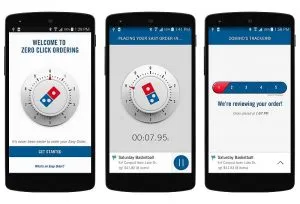
Our customers used to order in 25 steps; now we have cut it to zero clicks.
Pointing out that consumer expectations change as technology changes, Dennis Maloney said: "Customers today are impatient and unforgiving of standards. Friction costs you customers. Five years ago, our web-based ordering was a clunky process. When people came to our homepage to place an order, it often took more than 25 steps. That was a very long and confusing path, and we lost a lot of people. So we felt the need for less friction in the customer journey. We introduced customer profiles that let much of the information we used to ask customers to enter be filled in automatically. That cut the number of steps to five. When people could order faster, conversion rates went up. Today, we receive more than 60% of our orders online, and more than half of those come from mobile phones. But once mobile use exploded, our customers started suggesting even faster ways to place their orders. We kept challenging ourselves to remove more and more friction, and eventually we found a way to deliver a mobile experience that includes a zero-click ordering process. We now have an app that stores a customer's regular order details. The customer opens it, and 10 seconds later the order is placed automatically (zero friction, zero clicks). This kind of innovation changes how people perceive your brand and, more importantly, gives your most loyal customers what they need instantly."
Click to read about Medyateji's coding and software work.
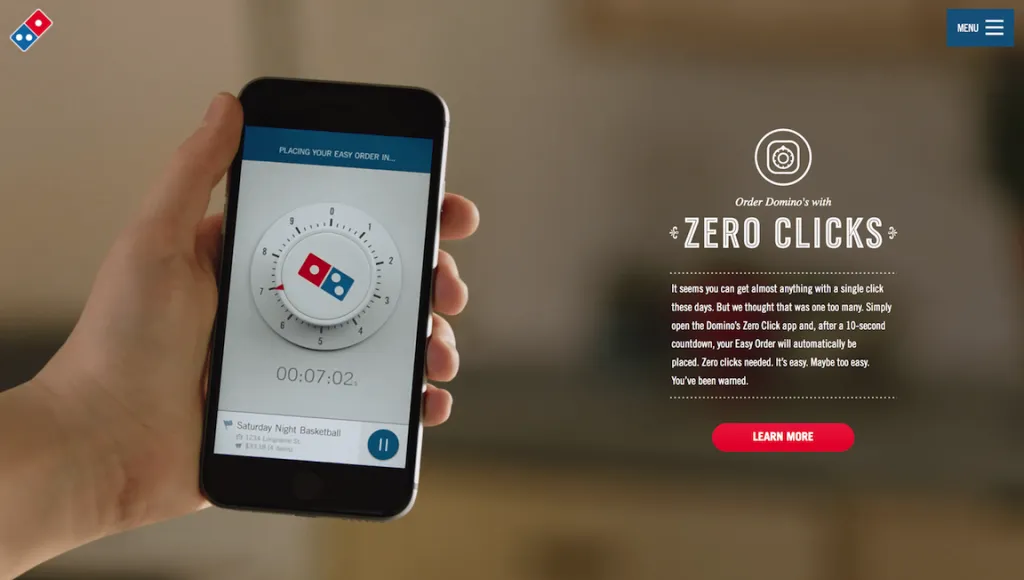
Maloney noted that it was not easy for a 57-year-old pizza company that did everything a certain way to shift to a "test and learn" mindset. He said: "But it has become a company where iteration and experimentation are normal. Working on small innovations can help your company move quickly when new technology arrives. The improvements we made to web ordering and profiles informed our mobile work, an iterative process that led to many of our new ordering platforms, including the zero-click app. Domino's customers once had two options for ordering: call the store for delivery or go to the store. Because our customers have changed, we have changed more in the last five years than in the previous half century. There are now more than 15 ways to order pizza from us, from sending a pizza emoji on social media to giving a voice command to Google Home. Today, we ask ourselves: are we a pizza company that uses technology, or a technology company that serves pizza? The answer is probably both. If you want to stay a step ahead in the game, these questions should be familiar to you. And the answers should always lead you to the same place: a customer-centric approach that gives customers a seamless experience on whichever platform they choose."